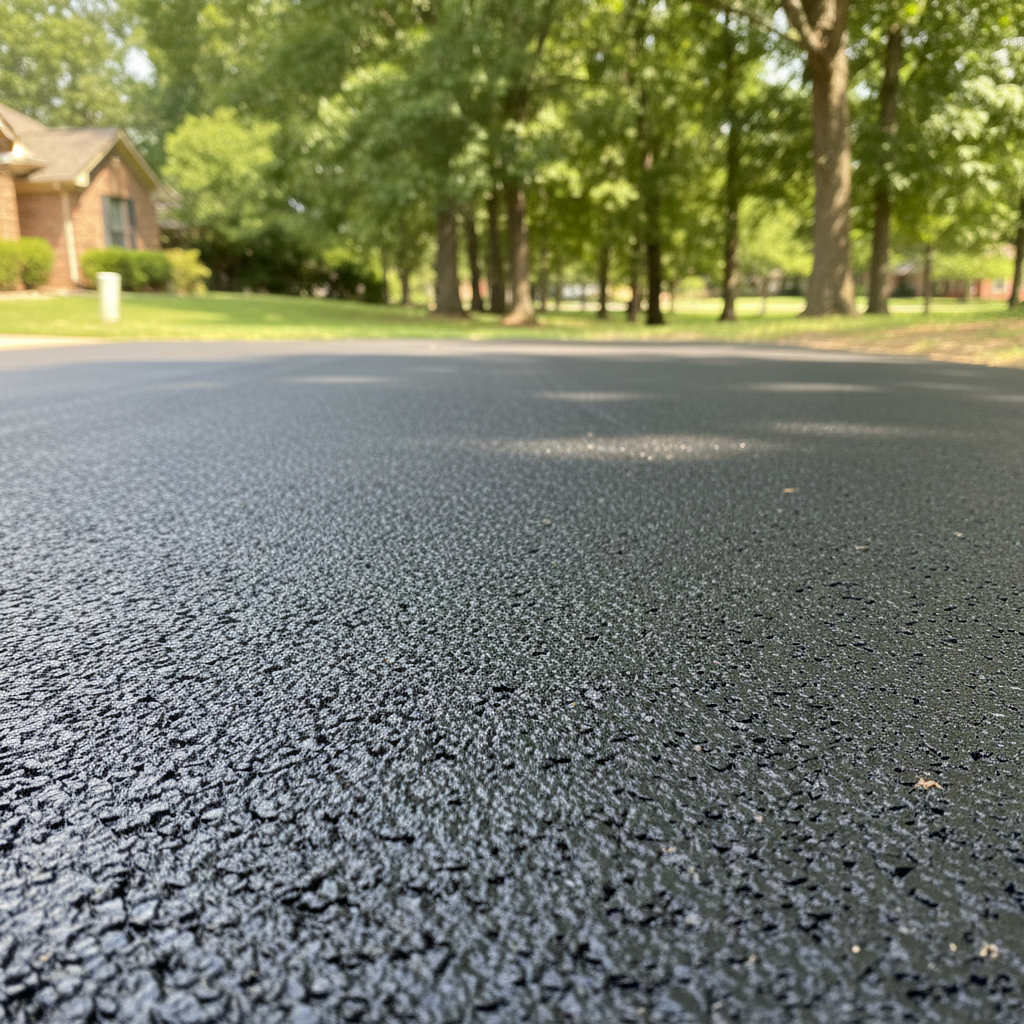
Alright, let's talk about commercial asphalt for your home. Now, I know what you're thinking: "Commercial? For my house?" But hear me out. Sometimes, a regular residential driveway just doesn't cut it. Maybe you've got a really long drive, a home business with heavy vehicle traffic, or you're just tired of patching up the same old cracks every year. That's when you start looking at the kind of asphalt that's built to last, the stuff we put down for businesses and parking lots.
It's a different beast than your typical residential pour, and you gotta know what you're getting into. I've seen folks try to cut corners, and it almost always ends up costing them more in the long run. So, let's go over what you need to think about before, during, and after a project like this.
Before You Even Think About Pouring
First off, planning is everything. You can't just decide one Saturday morning you're gonna lay down some heavy-duty asphalt. There are a few key things to sort out. One of the biggest is drainage. Around here in Springdale, especially in areas with a lot of clay soil like you find near Elm Springs Road, water management is crucial. If your asphalt isn't properly graded, you'll have standing water, and that's a recipe for disaster with any pavement. It'll undermine the base, cause cracks, and shorten the life of your investment significantly. You need to figure out where the water's going to go. Is it going to flow into a storm drain? Off to a swale? You can't just let it pool up.
Next, consider the subgrade. That's the dirt underneath everything. Is it stable? Compacted properly? If you've got soft spots or a lot of organic material, that needs to be addressed. We're talking about a heavy load here, and if the ground underneath isn't solid, your asphalt won't be either. This isn't a DIY job, folks. You need equipment to properly compact the subgrade and lay down a proper aggregate base. Trying to do this with a rented plate compactor for a large area is just asking for trouble.
Also, think about permits. Depending on the size and scope, you might need one from the city. It's always better to check with the Springdale planning department first than to get a stop-work order halfway through the job.
During the Project: What to Expect
This is where the rubber meets the road, literally. For commercial-grade asphalt, you're looking at a thicker base layer of crushed aggregate, usually 6-12 inches, and then a thicker asphalt layer on top, often 3-4 inches or more. This isn't the 2-inch residential stuff. The equipment involved is heavy-duty: large excavators, bulldozers, asphalt pavers, and massive rollers. You're not going to rent these at your local hardware store, and even if you could, operating them takes skill and experience.
The asphalt mix itself is also different. It's designed for higher traffic and heavier loads. It gets laid down hot, and it needs to be compacted quickly and uniformly to achieve the right density. If it cools too much before compaction, it won't bind properly and you'll end up with a weak surface that'll break down fast. This is definitely not a DIY project. You need a crew that knows what they're doing, with the right equipment and the expertise to get it done right the first time. That's where a company like Omega Paving Solutions comes in. We've got the gear and the guys to handle these kinds of jobs.
After the Asphalt is Down: Maintenance is Key
Once your new, tough-as-nails asphalt is in place, your job isn't entirely over. You've made a big investment, and you want it to last. The first thing is to give it time to cure. We'll tell you exactly how long to stay off it, but generally, it's a few days before light traffic and a few weeks before heavy vehicles. Don't rush it.
Regular maintenance is crucial. Keep it clean. Sweep off dirt, leaves, and debris. Oil and gas spills should be cleaned up immediately because they can break down the asphalt binder. Every few years, you'll want to consider sealcoating. This isn't just about making it look pretty; it protects the asphalt from UV rays, water penetration, and oxidation, which are all big enemies of pavement. It's like sunscreen for your driveway.
Cracks will happen eventually, even with the best asphalt. When you see small cracks, get them filled. Don't wait until they turn into potholes. Water gets into those cracks, freezes, expands, and then you've got a real problem on your hands. A good crack-filling program can extend the life of your asphalt by years. You can handle small crack filling yourself if you're handy, but for larger cracks or any significant damage, it's always best to call a professional. They'll have the right materials and techniques to ensure a lasting repair.
So, while the idea of a super-durable asphalt surface for your home is great, remember that the actual installation of commercial-grade asphalt is almost always a job for the pros. But knowing what goes into it, and how to maintain it, will help you make smart decisions and ensure your investment lasts for decades.