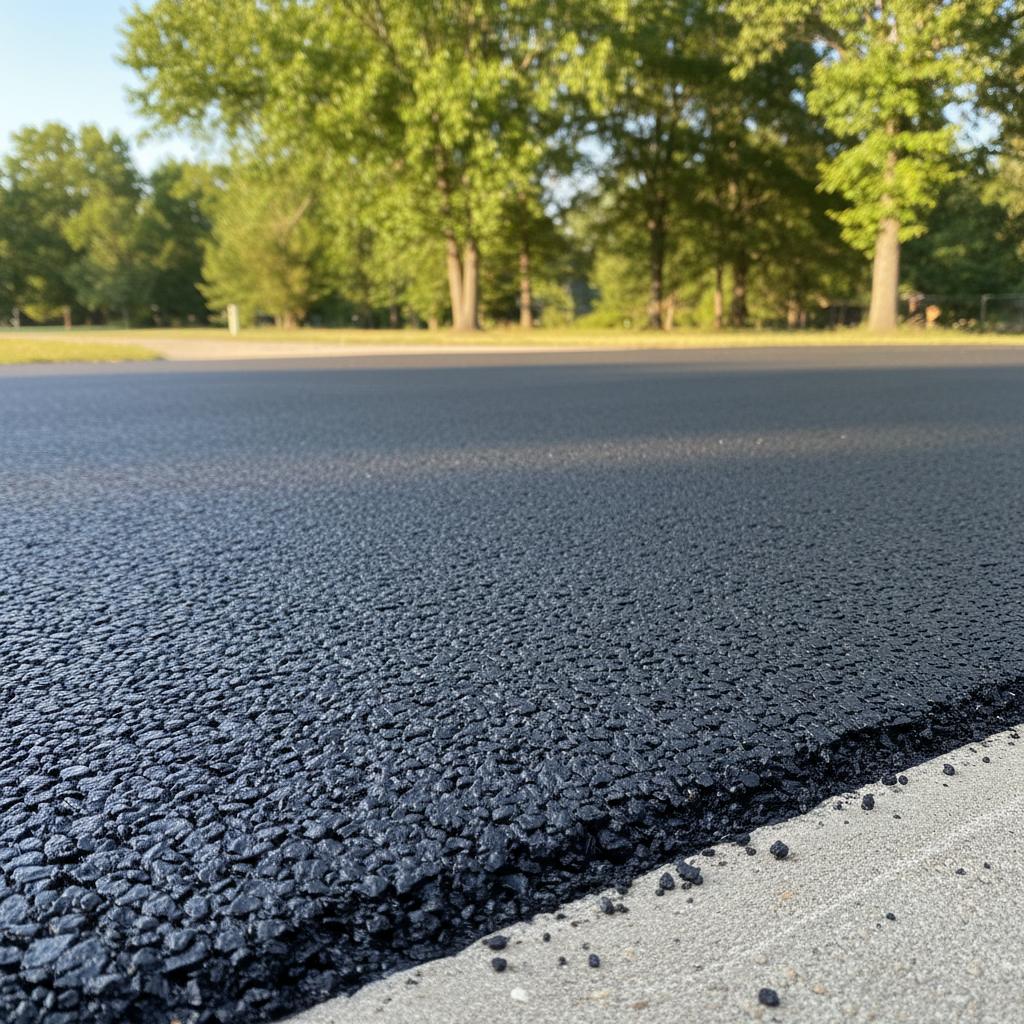
So, you're looking at a new parking lot for your place. Maybe you've got a growing family with more cars, or you're just tired of gravel and mud. Whatever the reason, putting in a paved parking area at home is a significant project, and you want it done right. I've seen plenty of these projects over the years, and I can tell you there's a lot to consider.
Before You Even Think About Paving
First things first, let's talk about the 'before' stage. This is where you do your homework, and it's crucial. You don't want to rush into this. Think about what you actually need. How many cars will use it? What kind of vehicles? A couple of sedans is one thing; a big RV or a work truck is another. That impacts the base and the asphalt thickness.
Next, drainage. This is huge, especially here in Springdale. We get our fair share of rain, and if your parking lot isn't designed to shed water properly, you'll have puddles, erosion, and eventually, cracks and potholes. You need to consider the slope of your land. Does water naturally flow away from your house and other structures? If not, you might need to think about catch basins, French drains, or a specific grade to direct water where it needs to go. I've seen too many homeowners skip this step and regret it within a year or two when their new lot becomes a swamp after every good storm.
Permits. Don't forget about these. Depending on the size and scope, you might need a permit from the city or county. It's always best to check with Springdale's planning department. A quick call can save you a lot of headaches down the road. You also need to know where your utilities are buried. Call 811 before any digging starts – it's free and it'll prevent you from hitting a gas line or a water main, which is a much bigger problem than a muddy driveway.
During the Project: What's Happening?
Once you've got your plan and your permits, it's time to get to work. This is where most homeowners hit a wall with DIY. Laying a proper asphalt parking lot isn't just about dumping hot black stuff on the ground. There's a lot of specialized equipment and expertise involved.
Here's a simplified breakdown of what a professional like Omega Paving Solutions would do:
- Excavation and Grading: We remove any existing material – grass, dirt, old gravel – and then grade the area to ensure proper drainage. This is where we establish those crucial slopes.
- Base Layer: This is the backbone of your parking lot. We'll lay down a compacted layer of aggregate, usually crushed stone. The thickness depends on the expected load. For a residential parking lot, you're typically looking at 6-8 inches of compacted base. This layer provides stability and helps with drainage.
- Binder Layer (sometimes): For heavier use or larger lots, a binder layer of asphalt might go down next. It's a coarser mix that adds strength.
- Surface Layer: This is the smooth, finished layer you drive on. It's a finer asphalt mix, usually 2-3 inches thick for residential applications. This layer gets compacted with heavy rollers to create a dense, durable surface.
Can you do some of this yourself? Maybe the initial clearing and some very basic grading if you have access to equipment and know how to use it. But for proper compaction, precise grading, and laying hot asphalt, you really need a professional crew with the right gear. Trying to do it yourself without the heavy rollers and asphalt pavers will result in a weak, uneven surface that won't last. It's just not worth the effort or the money you'll spend on renting equipment that might not even be right for the job.
After the Paving: Maintenance is Key
So, the new parking lot is down, and it looks great. Now what? You're not done yet. Proper maintenance will extend the life of your asphalt significantly.
- Curing Time: Give it time to cure. We'll tell you exactly how long, but generally, stay off it for at least a few days, and avoid heavy vehicles for a week or two.
- Sealcoating: This is probably the most important maintenance step. About 6-12 months after installation, and then every 2-3 years after that, you should get your asphalt sealcoated. This protects it from UV rays, water penetration, and chemicals like oil and gas. It's like sunscreen for your driveway.
- Crack Repair: Small cracks will happen over time. It's inevitable with our freeze-thaw cycles here in Northwest Arkansas. Address them quickly. Fill them with an asphalt crack filler to prevent water from getting underneath and causing bigger problems like potholes.
- Cleaning: Keep it clean. Sweep off debris, leaves, and dirt regularly. Don't let oil or gas spills sit – clean them up promptly.
You can definitely handle the cleaning and maybe even some minor crack filling yourself. But for sealcoating, especially for a larger parking area, I'd recommend calling in the pros. They have the right equipment and materials to apply an even, durable coat that will protect your investment for years to come.
A well-maintained asphalt parking lot can last 20-30 years. Neglect it, and you'll be looking at repairs or even replacement much sooner. If you're in Springdale and thinking about a new parking lot, give us a call at Omega Paving Solutions. We're happy to talk through your options and give you a solid estimate.