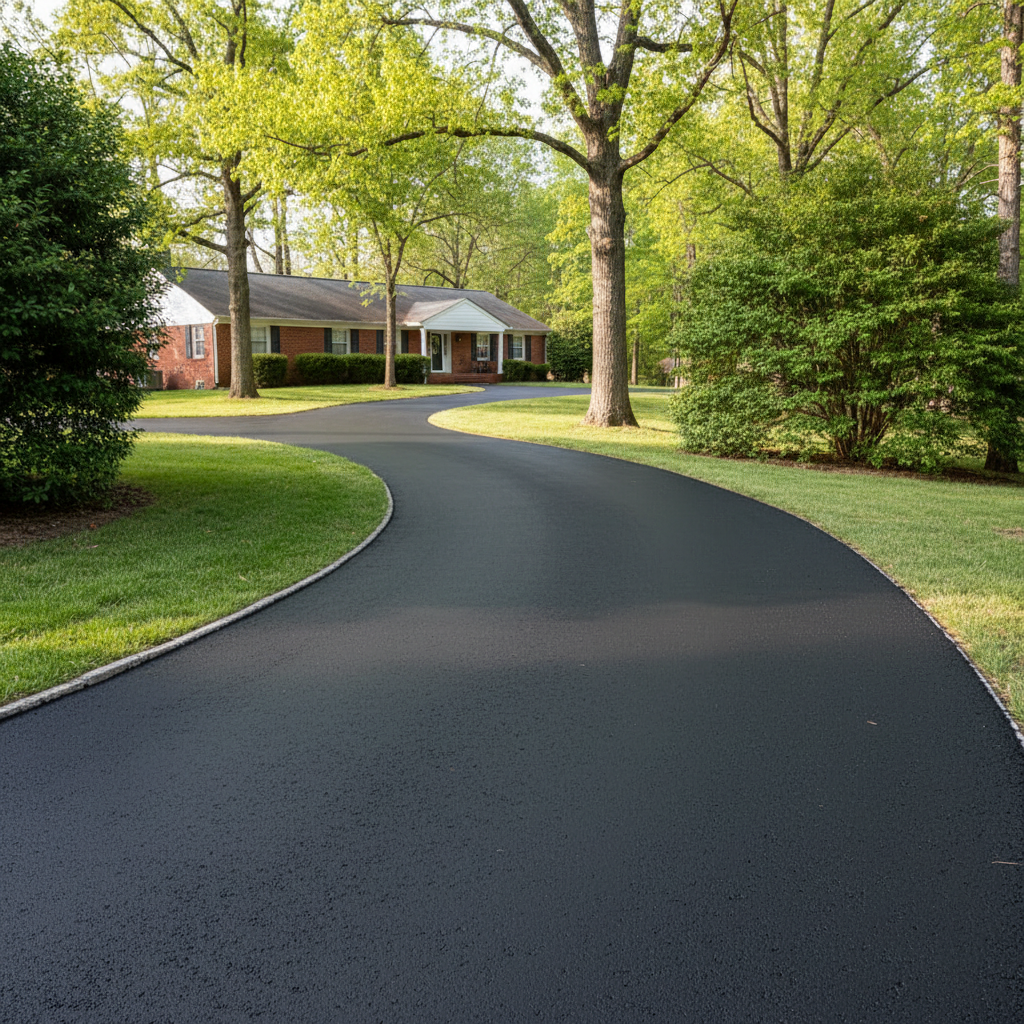
Alright, let's talk about slurry coating. You've got an asphalt driveway, and you want to keep it looking good and lasting long, right? Slurry coating is a big part of that, but folks often wonder about the 'when' and 'how' here in Springdale. It's not just about slapping it on, you know; timing and weather are everything if you want it to do its job.
What Even Is Slurry Coating?
Before we dive into the nitty-gritty, let's quickly clear up what slurry coating actually is. Think of it as a protective sunscreen and a fresh coat of paint for your driveway. It's a mix of asphalt emulsion, aggregate (that's just tiny, fine sand), water, and some other additives. When we put it down, it fills in small cracks, brings back that dark black color, and creates a barrier against the elements. Now, it won't fix major cracks or potholes – those need a proper repair – but it's fantastic for preventative maintenance and really extends your pavement's life.
Timing is Everything: When to Schedule Your Slurry Coat
Here in Springdale, our weather can be a bit… dramatic, wouldn't you say? That means you can't just pick any old weekend. The sweet spot for slurry coating is usually late spring through early fall. You're looking for consistent warm temperatures, but not scorching hot, and definitely no rain in the forecast.
- Late Spring (April-May): This is often ideal. The ground has warmed up from winter, and we typically get a good stretch of dry, mild days. Temperatures usually sit in that perfect 60-80 degree Fahrenheit range for proper curing.
- Summer (June-August): You *can* do it in summer, but you've got to be careful. Those 90+ degree days we see around here, especially with high humidity, can make the slurry cure too fast on the surface. That can trap moisture underneath, which might lead to premature cracking or a finish that just isn't as durable. If you're doing it in summer, an early morning start is crucial to avoid the peak heat of the day.
- Early Fall (September-October): Another great window. The intense summer heat has usually backed off, but we still have plenty of warm, sunny days. Just keep an eye on overnight lows – you don't want it dropping below 50 degrees too soon after application; that can hinder proper curing.
The key takeaway? You need several consecutive days of good weather. Not just for the application, but for the curing process afterward. Don't rush it, seriously.
Weather Conditions That Affect the Work
I can't stress this enough: weather conditions are the biggest factor in a successful slurry coat. Here's what we're looking for:
- Temperature: As I mentioned, 60-80°F is the sweet spot for air and pavement temperature. If it's too cold, the slurry won't cure properly, and it'll end up brittle. Too hot, and it can dry too quickly, leading to shrinkage cracks or an uneven finish.
- No Rain: This one's a no-brainer, but it's critical. Rain, even a light drizzle, during or shortly after application will wash away the slurry and ruin the job. We need at least 24-48 hours of dry weather *after* application, sometimes longer depending on the specific product and humidity.
- Low Humidity: While not as critical as rain, high humidity can really slow down the curing process. It means the water in the slurry takes longer to evaporate, extending the time before you can drive on it.
- Wind: A little breeze is fine, even helpful for drying. But strong winds can cause the slurry to dry unevenly or, worse, blow debris onto the wet surface.
When you call Omega Paving Solutions for a slurry coating estimate, we're not just looking at your driveway; we're looking at the forecast for the next several days. We want to set you up for success, not a redo.
Protecting Your Investment Year-Round
So, you've got your freshly slurry-coated driveway. Now what? Protecting that investment means a little ongoing care.
- Give It Time to Cure: This is probably the most important thing you can do right after application. We'll tell you exactly how long, but typically it's 24-48 hours before you can walk on it, and 48-72 hours (or even longer in humid conditions) before you can drive on it. Don't pull your car onto it too early, or you'll leave tire marks and damage the fresh surface.
- Avoid Sharp Turns: For the first few weeks, try to avoid turning your steering wheel sharply while your car is stationary on the driveway. This can scuff or tear the new surface.
- Clean Spills Promptly: Oil, gas, or other automotive fluids can break down the asphalt binder. Clean them up quickly with an absorbent material and then a mild detergent.
- Address Weeds: Weeds pushing through cracks can cause them to widen. Pull them out or use a weed killer designed for paved surfaces.
- Mind Your Edges: The edges of your driveway are often the most vulnerable. Keep them clear of dirt and debris that can trap moisture.
- Don't Forget Drainage: Springdale gets its share of rain. Make sure water isn't pooling on your driveway. Proper drainage helps prevent water from seeping into the sub-base and causing damage. If you've got a low spot where water sits, that's something to address before your next slurry coat.
A good slurry coat, applied at the right time and under the right conditions, can add years to your driveway's life and keep it looking sharp. It's a smart way to protect your home's curb appeal and avoid more expensive repairs down the road.