What's the difference between asphalt repair and sealcoating?
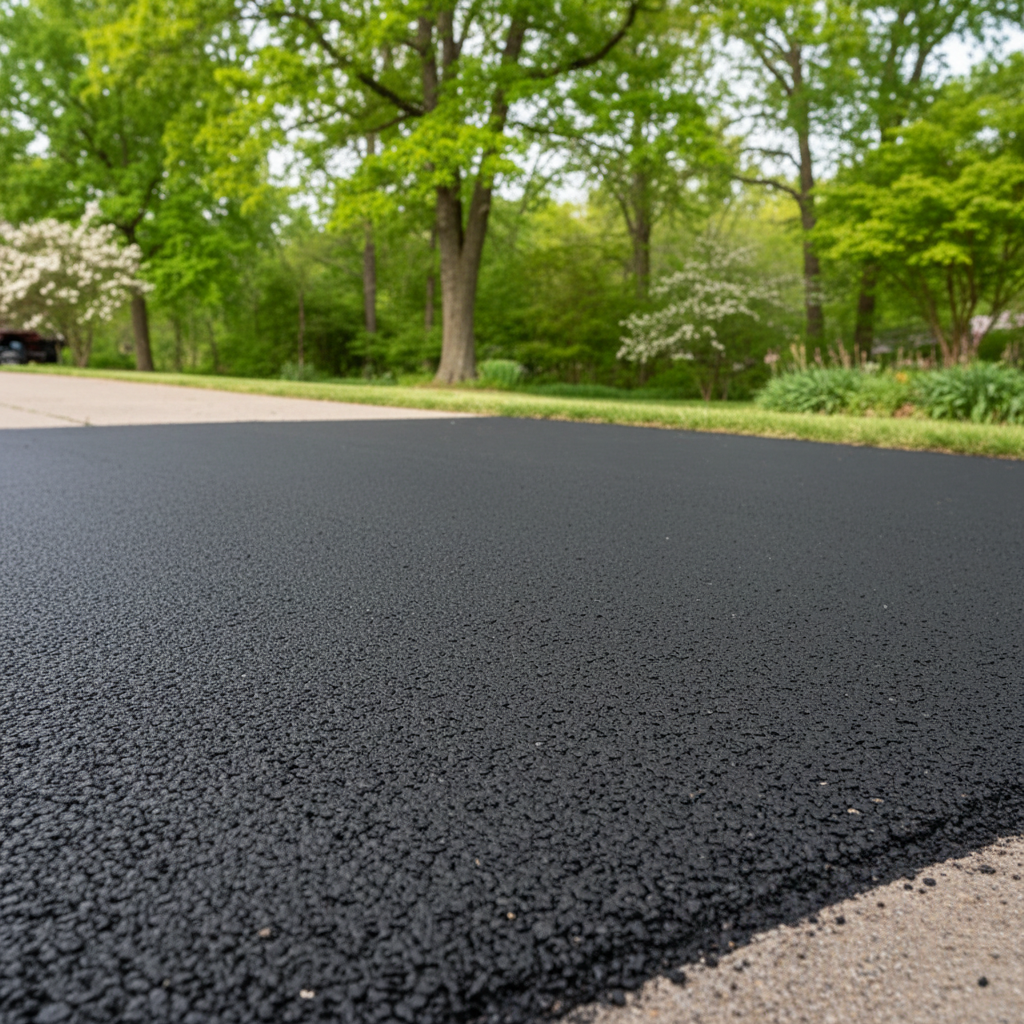
This question pops up all the time, and I totally get it. Think of it this way: asphalt repair is like mending a broken bone, while sealcoating is more like putting a fresh coat of paint on it for protection. When we talk about repair, we're actually tackling structural problems – things like filling potholes, fixing cracks, or patching areas that have completely fallen apart. We're bringing back the pavement's strength. Sealcoating, on the other hand, is a preventative step. It's a liquid layer we apply over existing, solid asphalt to shield it from UV rays, water, and oil spills. Plus, it makes your driveway look brand new, which is a nice bonus. You typically do repairs *before* sealcoating, not instead of it. If your driveway has big cracks or potholes, sealcoating over them won't actually fix the root problem; it’ll just hide it for a bit, and the damage will probably just get worse underneath.
How do I know if my asphalt needs repair or a full replacement?
Ah, the million-dollar question, right? It really boils down to how bad the damage is and what kind it is. If you've just got a few isolated cracks, maybe some potholes, or a bit of minor raveling (that's when the little stones start coming loose), those are usually good candidates for repair. We can patch those spots, fill the cracks, and really stretch out your driveway's life. But if you're seeing widespread alligator cracking – that's a pattern of connected cracks that looks like alligator skin, you know – or big areas of crumbling asphalt, or major dips and drainage problems all over the place, then you might be looking at a replacement. Especially if the base layer underneath is shot. Sometimes, folks try to patch too much, and they just end up with a patchwork quilt that still doesn't hold up. I'll always give you an honest assessment. Sometimes, believe it or not, a replacement is actually cheaper in the long run than just throwing good money at bad repairs.
What causes asphalt damage in Springdale, AR?
Oh, man, where do I even begin? Here in Springdale, we've got a few specific culprits we deal with. First off, our freeze-thaw cycles are absolutely brutal on asphalt. Water sneaks into tiny cracks, freezes, expands, and then thaws, leaving bigger cracks and eventually potholes. It's a constant fight, especially with those unpredictable late-winter freezes we get. Then there's the sun; UV rays break down the asphalt binder over time, making it brittle and more likely to crack. Heavy vehicles, even just delivery trucks, can cause stress and damage, particularly if your sub-base wasn't prepped right. And let's not forget tree roots; they're infamous for pushing up and cracking driveways, especially in older neighborhoods with mature trees, like those around the downtown area. Poor drainage is another huge factor, too. If water just sits on your driveway, it's definitely going to find its way in and start causing trouble.
Can I just fix small cracks myself?
You certainly can, and for very minor, isolated cracks, it might hold you over for a little while. You can pick up crack filler at most hardware stores. The main thing is to make sure the crack is clean and dry before you put anything down. But here's the kicker: those DIY fillers often don't get as deep or bond as strongly as the professional-grade hot-pour crack fillers we use. They also don't get to the bottom of what's causing the crack. What looks like a small crack on the surface could actually be a sign of a bigger problem underneath. For anything more than hairline cracks, or if you have a bunch of them, I'd really suggest having a pro take a look. We've got the right tools and materials to make sure the repair lasts and keeps water from getting in and making things worse.
How long do asphalt repairs typically last?
That's a tough one to give a single answer to, honestly, because it depends on so many things: the type of repair, how good the materials were, the condition of the asphalt around it, and how well you keep it up afterward. A good, professionally done crack fill can last several years. A proper pothole patch, especially if the base is solid, might last five to ten years, sometimes even longer. But if the whole driveway is old and falling apart, even the best patch is just a temporary fix. Think of it like putting a new tire on a car with a failing engine – it helps, but it doesn't solve the main problem, does it? Regular sealcoating after repairs can really extend their life by protecting the asphalt from the elements.
When's the best time of year to get asphalt repairs done in Springdale?
For us, the sweet spot for asphalt repair is usually spring through early fall. You want steady temperatures that aren't too cold and aren't scorching hot. Cold weather makes the asphalt brittle and harder to work with, and the materials just don't cure as effectively. Plus, you need dry conditions for the best adhesion. We often get those heavy spring rains, so we're always checking the forecast. Late spring, summer, and early fall are ideal because the ground is dry, and the temperatures let the asphalt stay pliable and the repair materials bond properly. Trying to do repairs in the dead of winter or during a long rainy spell is just asking for trouble; the repair won't hold up.
How much does asphalt repair cost?
This is where it gets tricky to give a general number, because every driveway is unique. The cost depends on the kind of repair (crack filling, pothole patching, or a bigger cut-and-patch job), how big the area needing repair is, how deep the damage goes, and how easy it is to get to the area. Small crack filling might be a few hundred bucks. A few decent-sized potholes could be more. If you've got a larger section that needs to be cut out and replaced, that's going to be a bigger project. What I can tell you is that getting a professional estimate from Omega Paving Solutions is always free. We'll come out, take a look at your specific situation, and give you a clear, itemized quote so you know exactly what you're paying for and why.
What can I do to prevent future asphalt damage?
Prevention is always cheaper than repair, right? The absolute best thing you can do is regular sealcoating. I recommend doing it every 2-3 years. It shields your asphalt from UV rays, water penetration, and oil spills, which are all major causes of deterioration. Make sure you've got good drainage around your driveway so water isn't just sitting on it. Trim back any tree roots that are starting to push up your asphalt. Try to avoid parking really heavy vehicles on your driveway for long periods if it wasn't designed for that kind of load. And, of course, deal with any small cracks or potholes as soon as they show up. Don't let them get bigger. Catching problems early can save you a ton of money down the road.