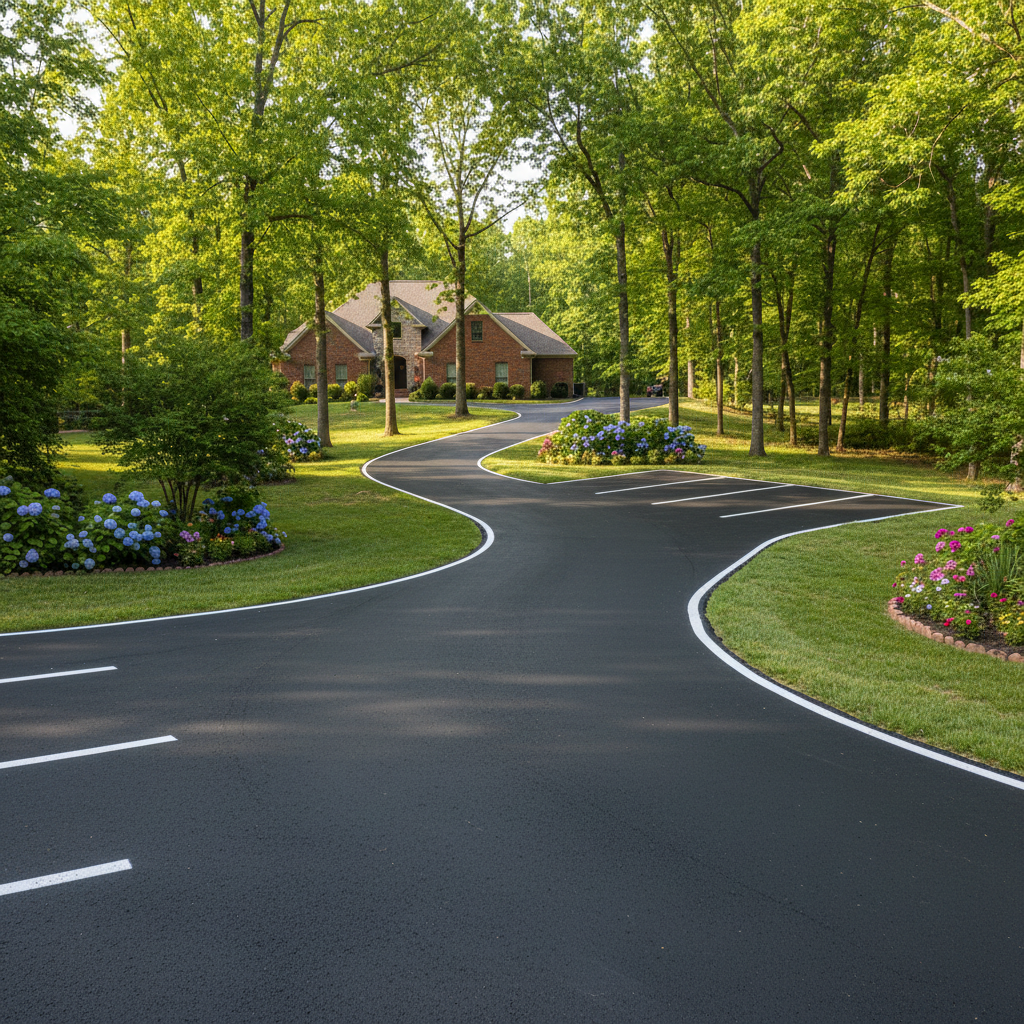
You want those crisp, clean lines on your driveway or parking area to last, right? It's not just about the quality of the paint or the skill of the crew; a huge part of it comes down to timing. Here in Springdale, our weather can be a real wildcard, and that plays a big role in when you should schedule your asphalt striping work.
When to Schedule Your Striping Project
Honestly, the sweet spot for asphalt striping in Springdale is usually spring and fall. Think mild temperatures, not too hot, not too cold. The paint needs specific conditions to cure properly and bond with the asphalt surface. If it's too cold, the paint won't dry right, and it'll peel or chip way too fast. If it's too hot, especially with our humid summers, the paint can dry too quickly on the surface but stay wet underneath, leading to bubbling or cracking.
I've seen folks try to rush things in late winter or wait until the dog days of August, and it rarely turns out as well. You're just throwing money away if the conditions aren't right. For us, that means aiming for those weeks when the daytime temperatures are consistently above 50°F and below 90°F. And pay attention to the overnight lows too; if it's dipping into the 30s, that's still not ideal for proper curing, is it?
Weather Conditions That Affect Striping
Beyond just temperature, there are a few other weather factors that are absolute deal-breakers for striping:
- Rain: This is a no-brainer, but you'd be surprised. You can't stripe on wet asphalt. Period. The paint won't stick, it'll run, and it'll be a mess. We need a good dry spell before and after the work.
- High Humidity: Springdale summers can be notoriously muggy. High humidity can slow down the drying process significantly, even if the temperature is good. This makes the fresh lines vulnerable to tracking or damage for longer.
- Strong Winds: While not as critical as rain or temperature, heavy winds can cause overspray issues, making your lines look fuzzy instead of sharp. It can also blow dust and debris onto the wet paint, which isn't what you want.
- Dew Point: This is a bit more technical, but it's crucial. If the surface temperature of the asphalt is too close to the dew point, moisture can condense on the surface, even if it hasn't rained. It's like a microscopic layer of water preventing good adhesion. We always check this before we start a job.
So, when you're thinking about getting your driveway or home parking area striped, keep an eye on the forecast. A few days of clear, mild weather is what we're looking for to give you the best results.
Protecting Your Striping Investment Year-Round
Once those lines are down and looking sharp, you want to keep them that way. Here's how you can protect your investment:
- Give it Time to Cure: After we've striped, we'll tell you how long to stay off it. Don't rush it! Typically, it's 24-48 hours, but it can vary based on paint type and weather. Driving on it too soon will smudge or lift the fresh paint.
- Keep it Clean: Regular sweeping or blowing off leaves and debris helps a lot. Dirt and grit can act like sandpaper, slowly wearing down the paint over time.
- Watch for Chemicals: Oil spills, gasoline, and harsh cleaning chemicals can degrade asphalt and striping paint. Clean up any spills quickly with mild soap and water.
- Sealcoating: This is probably the biggest thing you can do to protect your entire asphalt surface, including the striping. A good sealcoat every 2-3 years (depending on traffic and wear) protects against UV rays, water penetration, and oxidation. We often recommend doing striping after a fresh sealcoat, as the new, dark surface makes the lines pop and the sealcoat helps protect the paint. For homes in areas like Tontitown or Elm Springs with a lot of sun exposure, regular sealcoating is even more important.
- Avoid Sharp Turns: Try not to make sharp, grinding turns on your asphalt, especially when it's hot. This can scuff and wear down the surface and the paint.
Taking a little care goes a long way in extending the life of your asphalt and its striping. We at Omega Paving Solutions want your property to look its best for years to come, and understanding these seasonal nuances is a big part of that.
If you're thinking about getting some fresh lines put down, give us a call. We'll check the forecast and make sure we schedule it for the absolute best conditions so you get a job that lasts.