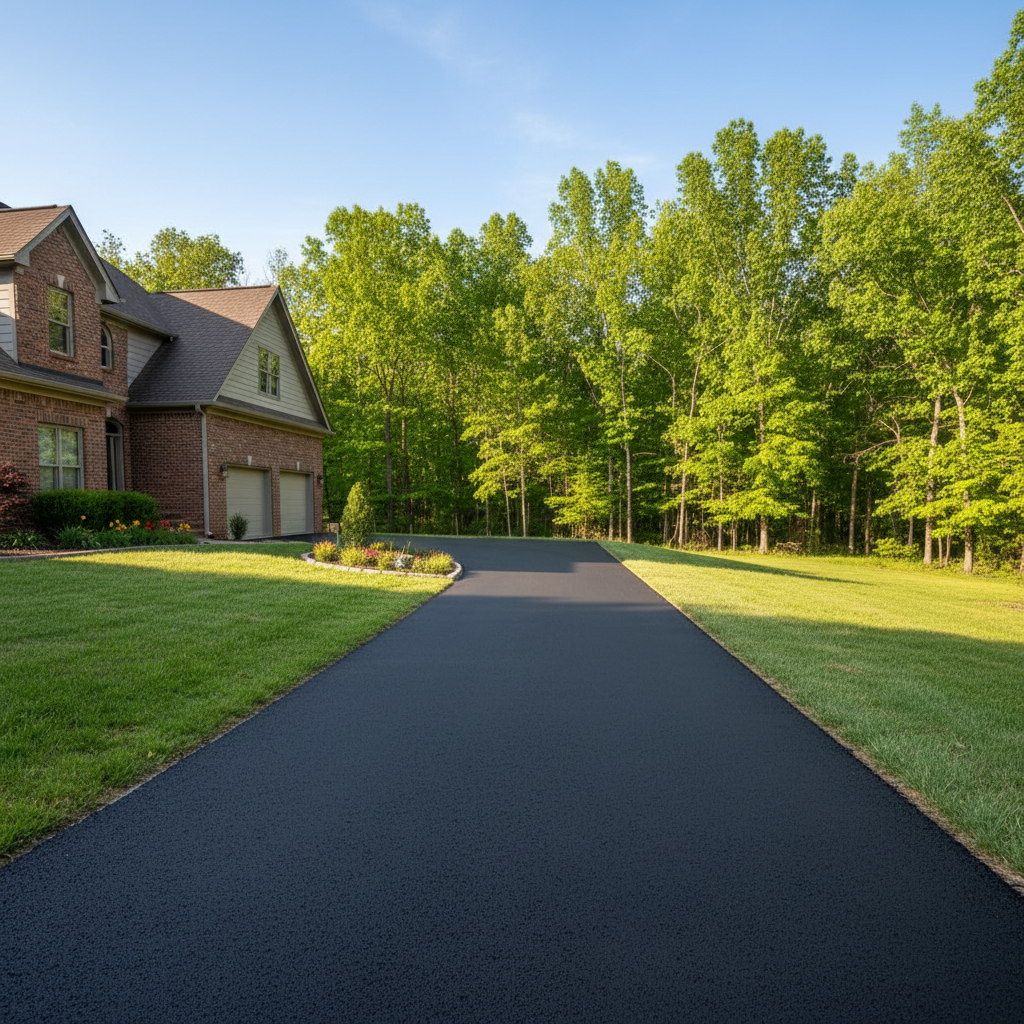
Alright, so you're thinking about getting a new driveway. Maybe yours is cracked up worse than a spider web, or it's just plain old and ugly. Whatever the reason, a new driveway is a big investment, and you want it done right. As a contractor here in Springdale, I've seen a lot of projects come and go, and I've got some advice to make sure yours goes smoothly. This isn't just about pouring asphalt; it's about planning.
Understanding the Timeline for Your Driveway Project
First off, let's talk timelines. This isn't an overnight job, and rushing it usually leads to problems down the road. From your first call to the final sweep, here's a general idea of what to expect:
- Initial Contact & Estimate (1-2 weeks): You call us, we schedule a visit. I'll come out, take a look at your property, measure things up, and talk about what you're looking for. Then we'll get you a detailed estimate. Good contractors are busy, especially in peak season, so don't expect someone to be out the next day.
- Permits (Varies, 1-4 weeks): Depending on the scope of work and where you live in Springdale, you might need a permit. For example, if you're significantly expanding the footprint or changing drainage patterns, the city might want to take a look. We can help you figure this out, but it's another step that adds time.
- Scheduling the Work (2-6 weeks out): Once you approve the estimate and any permits are in hand, we'll get you on the schedule. Again, this depends on how busy we are. Spring and fall are usually slammed.
- Actual Construction (2-5 days): The physical work itself usually takes a few days. This includes excavation, grading, laying the base, and then paving. It's not a week-long process for most residential driveways.
- Curing Time (2-7 days before light use, 30 days for full cure): This is crucial. You can't just drive on it the minute we're done. We'll give you specific instructions, but generally, plan on staying off it for a few days, and be gentle for the first month.
So, from start to finish, you're probably looking at anywhere from a month to three months. Don't let anyone promise you a new driveway next week unless they're cutting corners.
What to Expect During the Process
When we actually get to work, here's what you'll see happening:
- Excavation and Grading: We'll remove the old driveway, if there is one, and dig down to prepare the subgrade. This is where we make sure the ground is stable and sloped correctly for drainage. Here in Springdale, especially in areas like Tontitown with that clay-heavy soil, proper subgrade prep is absolutely critical to prevent future cracking and settling. If this isn't done right, your new driveway won't last.
- Base Layer Installation: Next, we'll put down a layer of crushed aggregate, usually gravel. This is compacted thoroughly. This base is what supports your driveway, so it's got to be solid.
- Asphalt Paving: This is the exciting part. Hot asphalt is laid down and then compacted with heavy rollers. You'll see steam, you'll smell asphalt, and it'll look great.
- Cleanup: We'll clean up the site, remove debris, and make sure everything looks tidy before we leave.
It's going to be a construction zone for a few days. There will be noise, machinery, and people working. Plan for limited access to your garage during the paving days.
How to Prepare Your Home and Property
You can help us make this go smoother. Before we even show up to start work, here's what you should do:
- Clear the Area: Move your cars, bikes, trash cans, planters, and anything else off and around the driveway. We need a clear path.
- Trim Landscaping: If you have bushes or tree branches hanging over the driveway, trim them back. We don't want to damage them, and we need room for our equipment.
- Mark Sprinkler Heads/Invisible Fences: If you have an irrigation system or an invisible pet fence running near the driveway, mark the lines or heads clearly. We'll do our best, but it's your responsibility to point them out.
- Inform Neighbors: Give your neighbors a heads-up. There will be noise and possibly some temporary access issues. It's just good neighborly practice.
- Plan for Parking: Figure out where you're going to park your vehicles for a few days, especially during the curing period.
Questions to Ask Before Signing a Contract
This is where you protect yourself. Don't be afraid to ask questions. Any reputable contractor, like Omega Paving Solutions, will be happy to answer them.
- Are you licensed and insured? Get proof. This protects you if something goes wrong.
- Can you provide references? Talk to past customers. See their work.
- What's included in the price? Get a detailed breakdown. Is excavation included? What about hauling away debris? Are there any hidden fees?
- What kind of base will you use, and how thick will it be? This is critical for longevity. Don't settle for a thin base.
- How thick will the asphalt be? Again, thickness matters.
- What's your warranty? A good contractor stands behind their work.
- What's your payment schedule? Never pay the full amount upfront. A deposit is standard, with the balance due upon satisfactory completion.
- Who pulls the permits? Make sure it's clear who is responsible for this.
- What's your process for drainage? This is huge, especially with our heavy rains. You don't want water pooling on your new driveway or running toward your house.
Asking these questions upfront will save you a lot of headaches and ensure you get a quality job. A new driveway is a big deal, and with a little planning, you'll have one that lasts for years.