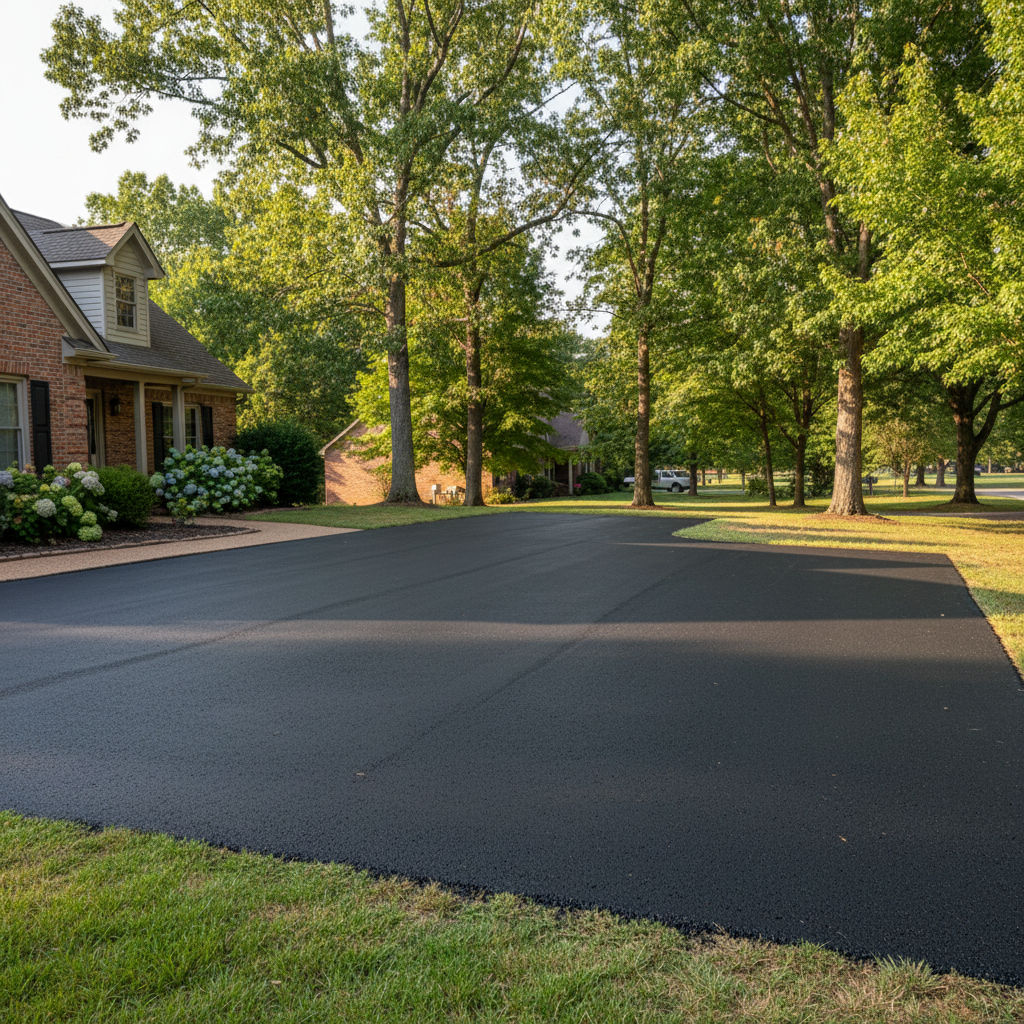
You've got a parking lot, and you want it to last. Simple as that. Here in Springdale, AR, our weather can be tough on asphalt, from those scorching summer days to the winter's freeze-thaw cycles. But with a little attention, you can really make your investment last longer and keep it looking good for years.
Make Your Parking Lot Last Longer in Springdale's Climate
Let's face it, a new asphalt parking lot costs a pretty penny. With the right upkeep, most asphalt parking lots can stick around for 15 to 25 years, and sometimes even up to 30 if you take exceptional care of them. The key is to be proactive, especially considering our local climate.
- Beat the Heat: Springdale summers are hot and muggy, with temperatures often hitting 90°F or more. This intense heat and UV radiation really break down the binders in asphalt, making it brittle and prone to cracking. It can also soften the pavement, which leads to rutting and scuff marks from heavy vehicles. Regular sealcoating helps shield your asphalt from those harsh UV rays and the heat.
- Fight the Freeze-Thaw: Our winters here get pretty cold, with average lows around 30°F in January. We also get our share of freezing rain and ice storms. Water seeping into cracks, then freezing and expanding, is a huge culprit in creating potholes and bigger cracks. That constant expansion and contraction is just brutal on pavement. Prompt crack sealing is your best defense against this — seriously.
- Drainage is King: With an average of 48-49 inches of rain annually, often peaking in spring, good drainage isn't just a suggestion; it's absolutely necessary. Standing water weakens the asphalt and its base, leading to early failure. Make sure your lot is graded correctly and drains are clear.
- Mind the Traffic: Heavy vehicles, especially those making tight turns or parked for long periods, put a lot of stress on asphalt. Be mindful of where heavy trucks are driving and parking, particularly in loading zones or dumpster areas.
What Regular Maintenance Looks Like
Think of it like changing the oil in your car. Small, consistent actions prevent big, expensive breakdowns.
Annual Inspections
Walk your lot at least twice a year, ideally in spring after the winter thaws and again in the fall before the cold sets in. Look for anything out of the ordinary: new cracks, potholes, faded lines, or areas where water is pooling. Keeping dated records of these inspections helps you track issues and plan for repairs.
Crack Sealing
This is probably the most critical thing you can do. Small cracks might seem harmless, but they're open invitations for water to get under your pavement, especially during our freeze-thaw cycles. Seal cracks promptly with a hot rubberized sealant. If a crack is wider than a pencil or deeper than a quarter, mark it for sealing.
Sealcoating
Sealcoating is like sunscreen for your asphalt. It protects against UV damage, water penetration, and spills like oil and gas. For most commercial lots in Springdale, you'll want to sealcoat every 2-3 years, though high-traffic areas might need it more often. New asphalt needs about 6-12 months to cure before its first sealcoat.
Pothole Repair
Potholes are more than just an eyesore; they're a safety hazard and can damage vehicles. They form when water gets under the pavement and the base fails. Don't wait on these. Get them repaired quickly to prevent them from growing and causing more extensive damage.
Sweeping and Cleaning
Keeping your lot free of debris, dirt, and leaves isn't just about how it looks. This stuff can clog drains and trap moisture against the asphalt, speeding up deterioration.
Line Striping
Faded parking lines and markings are a safety issue and can make your business look neglected. Restripe your lot every 1-2 years, or after sealcoating, to keep it clear and compliant with ADA standards.
Warning Signs of Bigger Problems
Sometimes, what looks like a surface issue is actually a symptom of something more serious going on underneath. Here's what to watch for:
- Widespread Alligator Cracking: If you see a network of interconnected cracks that looks like alligator skin, especially over large areas, that's a classic sign of base failure. Surface repairs won't hold because the problem is deeper.
- Recurring Potholes: If you're patching the same potholes over and over, it means the base layer is compromised.
- Standing Water: Water that consistently pools and doesn't drain away within 24 hours indicates a drainage problem or issues with the lot's grading. This will lead to accelerated deterioration.
- Soft or Uneven Spots: If sections of your pavement feel soft, spongy, or show dips and depressions, it suggests the base or subgrade is failing. You might even notice the pavement flexing under traffic.
- Faded, Gray, or Brittle Asphalt: If your asphalt has lost its dark black color and looks gray, dry, or crumbly, it means the binders are oxidizing and the pavement is losing its flexibility.
- Crumbling Edges: If the edges of your parking lot are breaking off, it could be due to heavy loads near the perimeter or poor drainage.
When to Call a Professional
You don't want to wait until your parking lot is a minefield of potholes. Catching issues early saves you money and headaches in the long run.
- When you see any of the ---